

The Police – an intellectual trio that changed the rhythm of the era
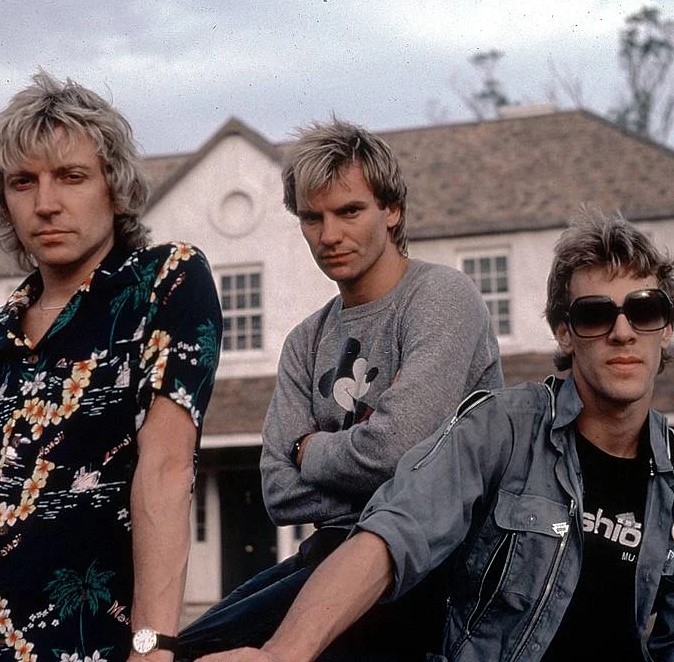
The Police is a British rock trio founded in London in 1977 by American drummer and percussionist Stuart Copeland. He was accompanied by the British guitarist Andy Summers and singer-bassist Gordon Matthew Sumner, known worldwide under the stage name Sting (nicknamed for his acerbic, sharp language), a figure who became synonymous with musical sophistication, intellectual poetry and artistic charisma.
By the end of the 1970s, The Police had gained worldwide fame, creating a unique musical fusion in which elements of rock intertwined with elements of punk, jazz and reggae.
In this way, they didn’t just follow trends – they set those trends themselves, and determined musical vectors for many years to come.
Formation of the band’s line-up and early years of popularity (1977-1978)
After the breakup of the progressive rock band Curved Air, Copeland decided to join the rapidly developing punk scene in London, forming a new trio. In January 1977, he began rehearsals with vocalist and bassist Sting and French guitarist Henry Padovani. The following month, the band recorded their first single, “Fall Out”, produced by Copeland himself and his brother Ian.
Although the first recordings can be partly attributed to punk rock, music critics, including AllMusic, emphasise that this is only a distant correspondence to the genre.
From the very beginning, The Police’s music was distinguished by a ‘nervous’ structure filled with reggae and pop intonations, more ‘punk in spirit’ than in form.
Initially, the style could be mistaken for punk, but critics clarified:
‘’It’s punk in form only – it’s actually intense pop-rock with reggae elements, full of rebellious spirit.”
In July 1977, the band temporarily became a quartet when Andy Summers joined them. However, due to his limited musical skills, Padovani soon left the group. As a result, the final lineup – Sting, Copeland and Summers – remained unchanged until the group’s 1984 breakup.
Sting: voice, poet, philosopher
The central figure was Sting, a man with an academic and pedagogical background, a man who had an exceptional sense of form and words. Before his musical career, he taught English and physical education at a high school, which in turn was reflected in his songs: Sting‘s lyrics are full of literary allusions, references, philosophy and intellectual sophistication and philosophical overtones.
Intellectual depth of creativity
Sting, who had a humanitarian education and teaching experience, brought intellectual richness to the band’s music. His lyrics have always been distinguished by literary erudition, philosophical allusions and social sensitivity (empathy – compassion for human problems, social inequality, etc).
Album “Ghost in the Machine” (1981) was inspired by Arthur Koestler’s book of the same name, which explores the conflict between reason and emotion. ‘We are all machines with ghosts inside,’ Koestler wrote, referring to the internal conflict between reason and emotion. This motif permeates the album’s compositions, which explore alienation, technocracy and spiritual emptiness.
The next album, “Synchronicity” (1983), based on the ideas of Carl Jung. The concept of synchronicity – significant coincidences without a causal connection – is reflected in the songs, especially in Synchronicity I, which concerns the connection between external events and internal experiences.
«Are events connected to each other or to our internal state — or is it just an illusion?»
«Are events connected to each other or to our internal state — or is it just an illusion?»
— the red line of this question runs through the semantic line of these compositions.
🎵 Tea in the Sahara inspired by a story by Paul Bowles from the collection “Sheltering Sky». It contains longing for unfulfilled dreams and a sense of hopelessness when ideals fail to withstand the collision with reality. The song conveys the sadness of unfulfilled hopes and despair in the face of a soulless reality.
These and other examples highlight the philosophical and poetic basis of music The Police.
🎸 Reggae and bleached hair
One of the brand’s hallmarks The Police – the use of reggae elements in rock arrangements.
«It was the first white band to organically weave reggae into mainstream rock and achieve tremendous success»,
«It was the first white band to organically weave reggae into mainstream rock and achieve tremendous success»,
— critics wrote.
An interesting episode occurred in February 1978, when the band, in need of money, starred in a commercial for Wrigley’s Spearmint chewing gum. The condition was: lightening their hair.
Flourishing, decay and reunion
The album “Synchronicity” (1983) reached the peak of success, topping the charts in the UK and the US, with a circulation of over 8 million copies in America alone. Despite the lack of an official statement about the breakup, the group ceased active activity in March 1984. A brief reunion took place in 1986, and then in 2007 – in honor of the 30th anniversary of the hit Roxanne. The subsequent tour became one of the most successful and profitable in history. over $ 360 million in fees.
Over 8 million copies sold in the US
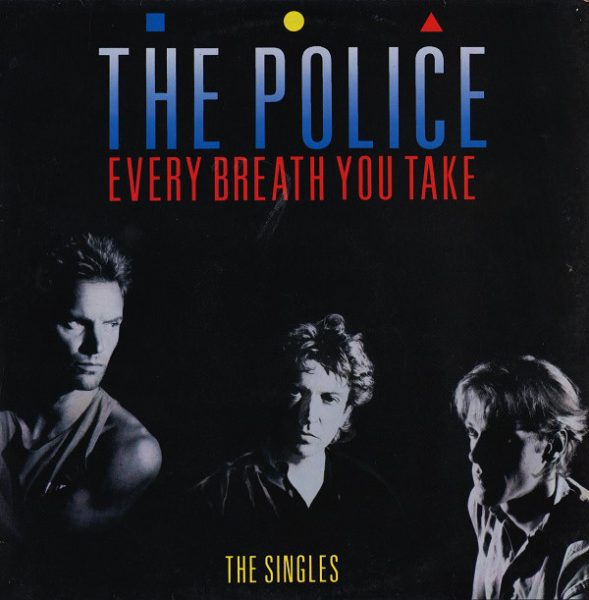
Hit Every Breath You Take became one of the most famous songs of the XX century.
The band has won six Grammy Awards, was inducted into the Rock and Roll Hall of Fame in 2003 and has sold over 50 million albums worldwide. Four of their albums are included in Rolling Stone’s list of the 500 greatest albums of all time.
Life after The Police
After the breakup, the band members pursued solo careers. In 1992, at a wedding Sting with Trudy Styler, all three were back on stage performing “Roxanne” and “Message in a Bottle“.
In 2004, Padovani released a solo album with his former colleagues, and Stuart Copeland made a documentary film ‘Everyone Stares:
Andy Summers published a memoir, “One Train Later,” in 2006, detailing his rise to fame and his time in the band.
Awards and influence in the world of world music:
– Over 75 million albums sold
– 2 Grammy Awards
– Induction into the Rock and Roll Hall of Fame (2003)
– Recognition of one of the most influential groups of the 20th century
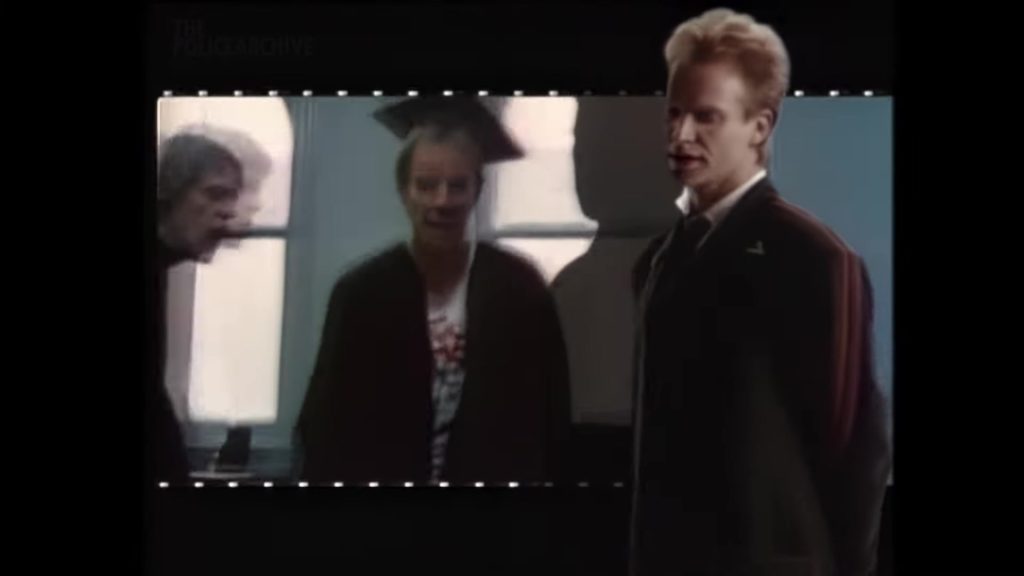
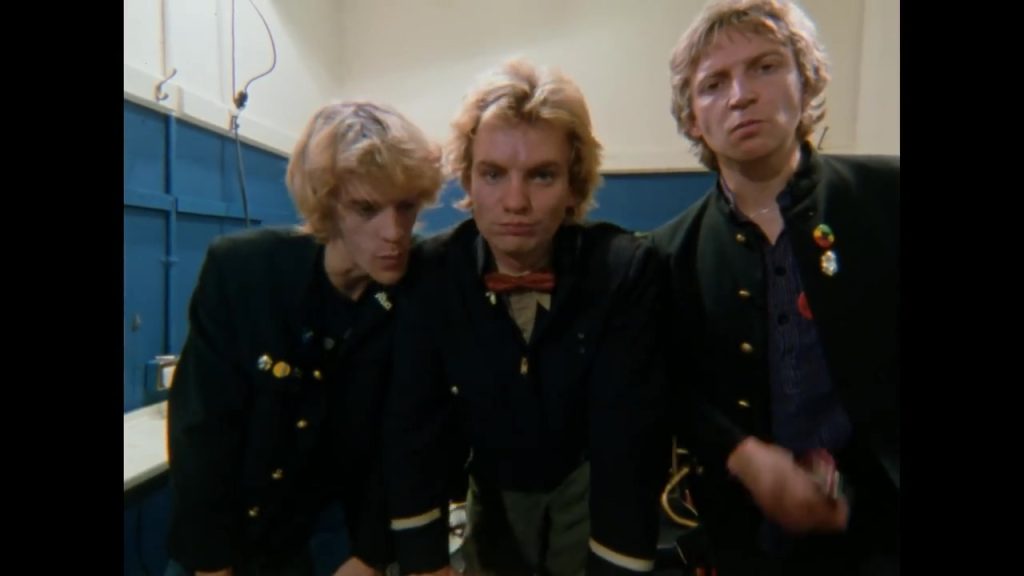
![[HD] The Police - Next To You (HP 1979)](https://music.developtraff.website/wordpress/wp-content/uploads/2025/06/hd-the-police-next-to-you-hp-1979.jpg)
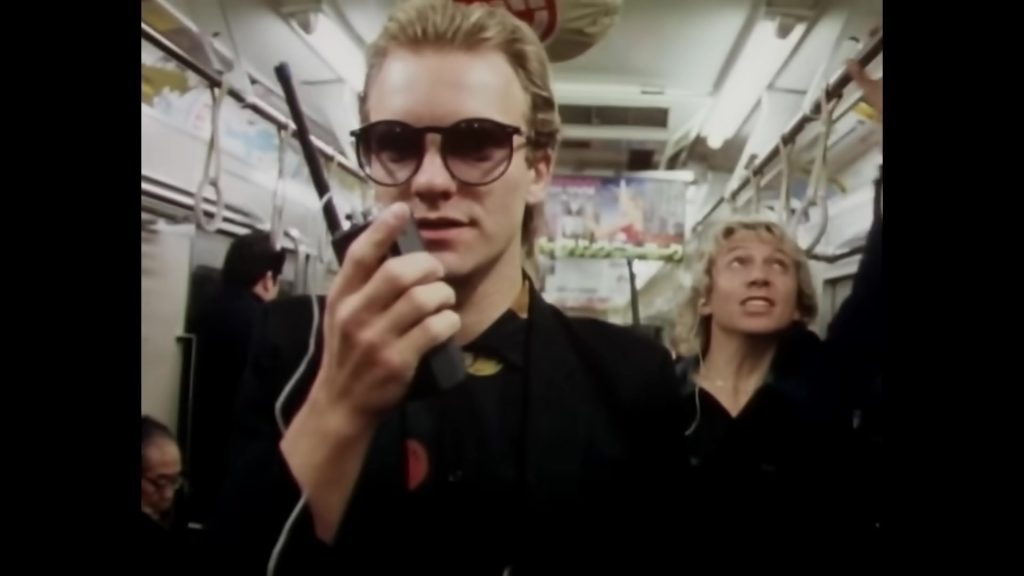
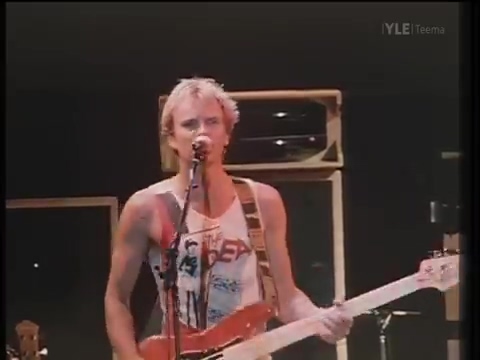

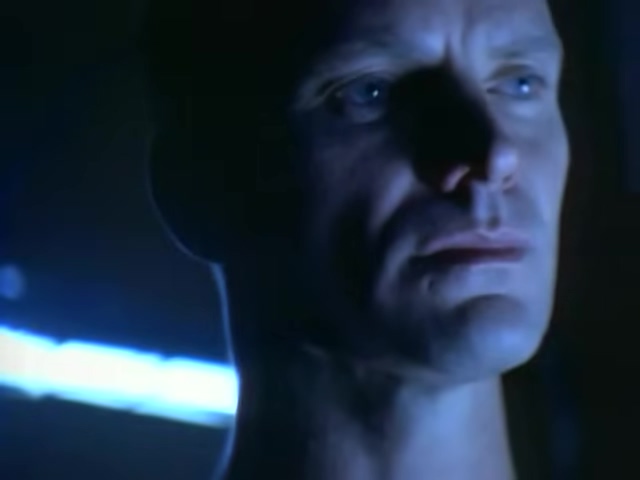
![The Police ~ Synchronicity I ~ Synchronicity Concert [1983]](https://music.developtraff.website/wordpress/wp-content/uploads/2025/06/the-police-synchronicity-i-synchronicity-concert-1983-1024x576.jpg)
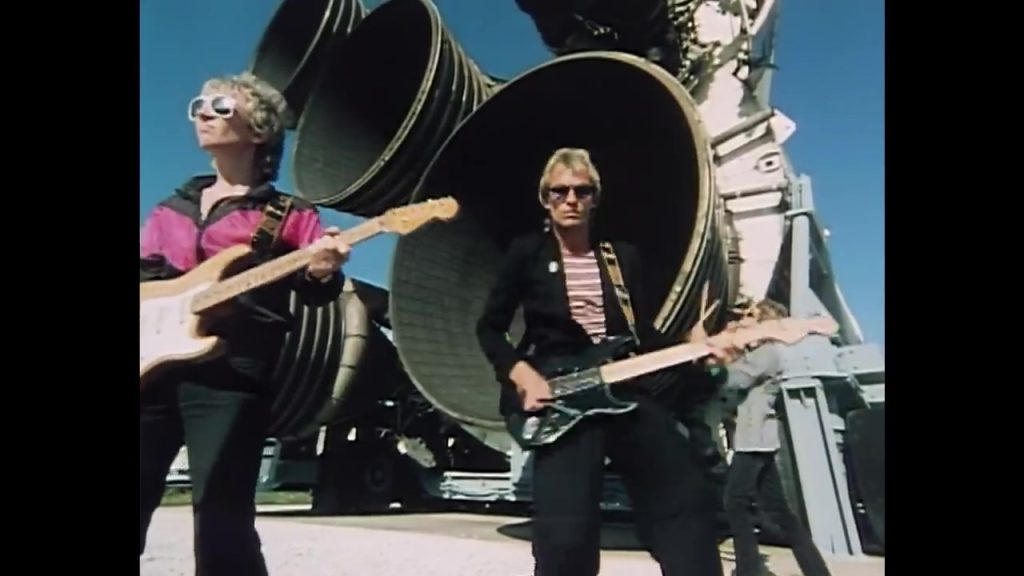
![The Police ~ Walking in Your Footsteps ~ Synchronicity Concert [1983]](https://music.developtraff.website/wordpress/wp-content/uploads/2025/06/the-police-_-walking-in-your-footsteps-1983.jpg)